2 Mar 2026
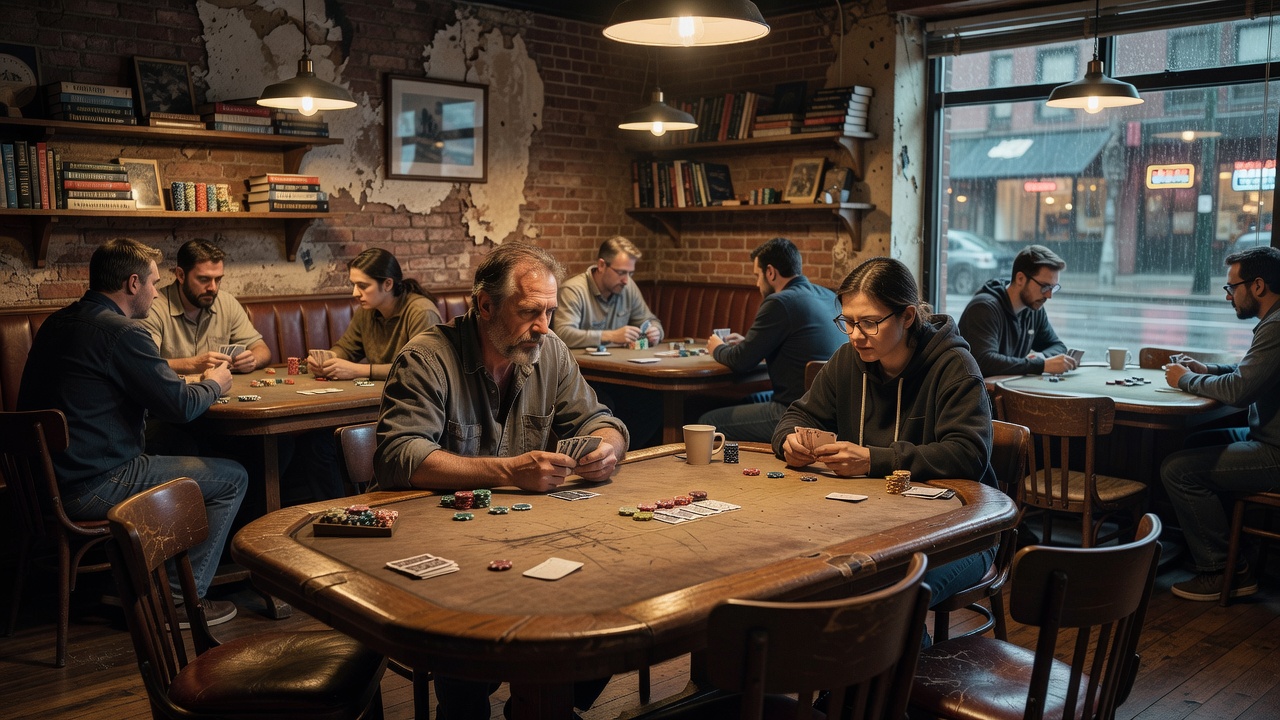
Poker clubs serve as dedicated spaces where enthusiasts gather to engage in structured games, offering a consistent alternative to casual home setups or online platforms. These venues emphasize fair play through enforced rules and professional dealers, creating an atmosphere focused on strategy rather than distractions.

Developing Skills Through Regular Competition
Consistent participation allows players to face diverse opponents, refining reading skills and adapting to varying styles. Clubs often host tournaments that simulate pressure situations, helping participants build resilience and decision-making under time constraints. This repeated exposure accelerates improvement compared to sporadic games, as members can review hands with peers afterward.
Community and Strategic Networking
Beyond the tables, clubs foster connections among players of different experience levels. Discussions on tactics, bankroll management, and game variants occur naturally, providing informal education. Newer players benefit from observing advanced techniques, while veterans gain fresh perspectives, contributing to a supportive ecosystem that extends the game's social dimension.
Selecting an Appropriate Venue
When choosing a club, consider factors like game variety, membership fees, and location accessibility. Evaluate the atmosphere for comfort and rule clarity to ensure long-term enjoyment. Prioritizing establishments with clear policies on conduct and disputes supports a positive experience focused on skill growth over time.